





Spike in drive-offs continues to grow across forecourts
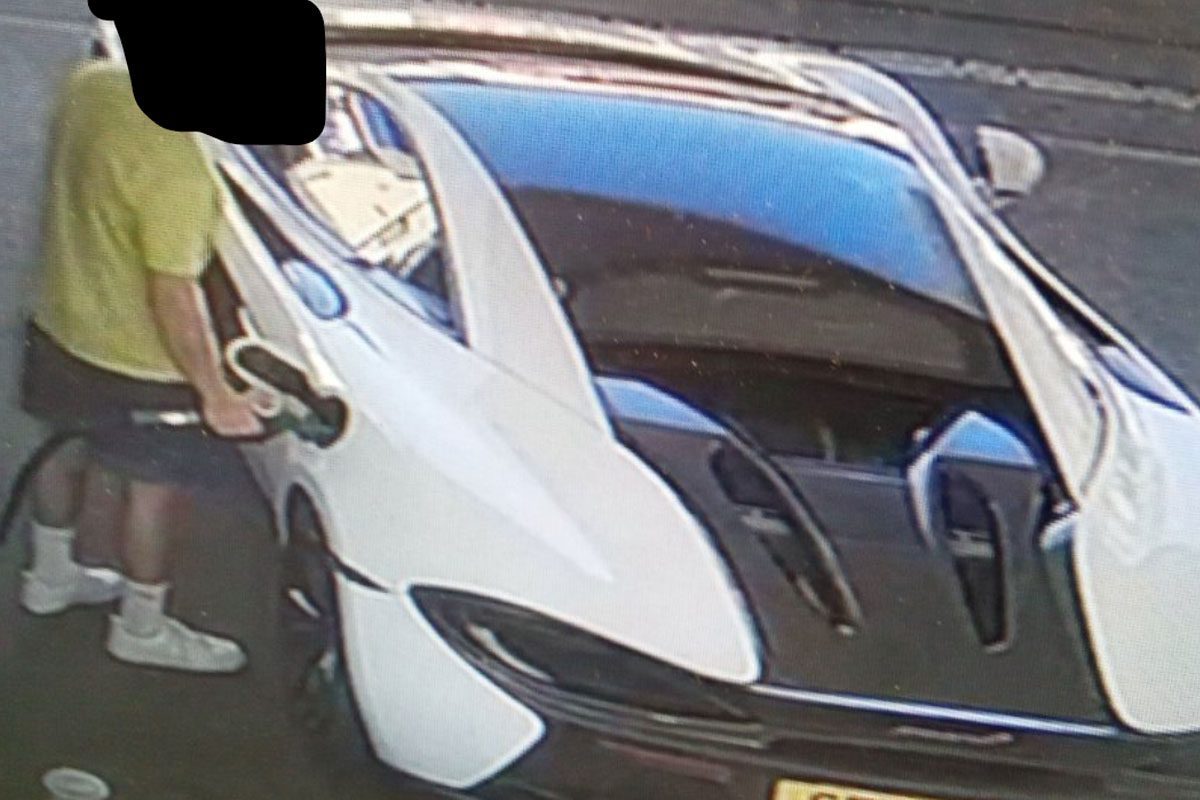
FUEL theft incidents across the UK continue to spike upwards with no signs of slowing down, says Forecourt Eye.
The forecourt security firm has said, covering incidents between March and April, there has been 11,170 thefts recorded, up from the 9,089 that took place between January to February. This represented an increase of 23% with the total volume of stolen fuel up 28% compared to the time period as well.
Further to this, the amount of money stolen here has risen exponentially as well. Between March and April 2026, Forecourt Eye said £764,098 was stolen in fuel across forecourts, up from the £495,083 in January to February. This represented an increase of 54% when compared against each other.
Michelle Henchoz, managing director at Forecourt Eye, said: “”Fuel theft and declarations of no means of payment incidents are not levelling off, they grew again from March to April.

“Prior to the spike in fuel prices, an average UK forecourt was experiencing around two incidents every week.
“This figure has now risen to three every week and, based on April’s numbers being higher than March, the trend is pointing to a further increase in the order of a possible one incident every other day.
“It highlights the very real challenge that forecourt staff are facing on the frontline, who we know from feedback are also facing increasing frustration and abuse from drivers about rising prices.”
This has been driven upwards by consumers claiming they have ‘no means of payment’ (NMOP) where a driver fills their tank and then tell forecourt staff that they are unable to pay. Forecourt Eye said it recorded a 30% increase in these incidents over March and April, compared to the 20% increase that was seen from traditional drive-off incidents where forecourt staff were not informed by drivers.
And of these incidents, first-time offenders continue to be the main reason behind the increase with the number of fuel thefts attributed to unique registration incidents up 25%, from 6,109 to 7,656.
Henchoz said: “The no means of payment figures in particular tell us that more people are taking more fuel using this mechanism, and fewer of them are paying afterwards.”
“This is a pattern we need to take seriously as an industry because it suggests there may be a deliberate exploitation of the civil/criminal threshold, not simply financial distress.