




Motorists seek out better fuel economy in tyre checks
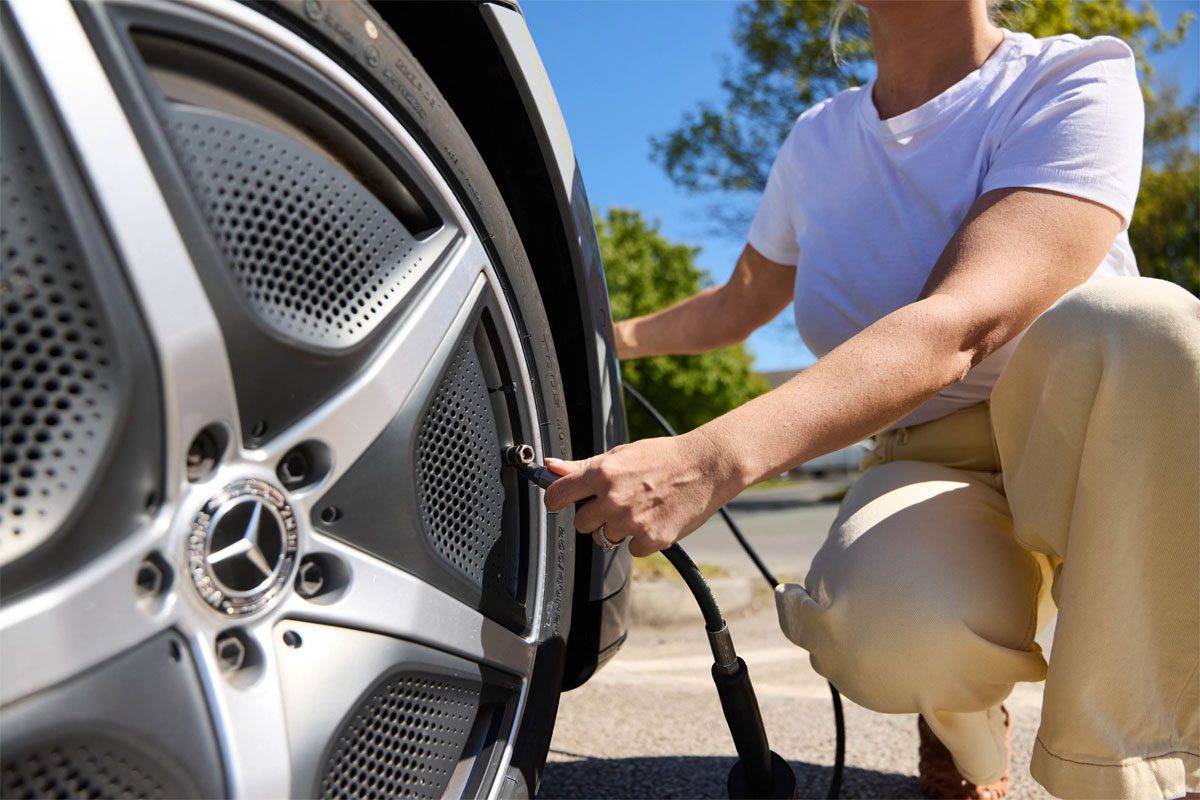
FORECOURT services operator Air-serv has reported a rise in tyre inflation checks across UK forecourts as many motorists seeks ways to improve their fuel economy.
Coming off the back of recent increases in fuel prices as a result of the US-Israeli war in Iran, Air-serv has reported an increase of 8% in the use of tyre inflation equipment at forecourts. This data was collected in March 2026 and has been compared year-on-year with March 2025.
Gordon Balmer, executive director at the Petrol Retailers’ Association, said: “This is interesting data from Air-serv as it shows the message is starting to get across that correct tyre pressure and fuel economy go hand-in-hand.
“Equally important for road safety, under-inflated tyres can affects handling, braking distances and tye wear, making regular checks one of the simplest and most effective habits drivers can adopt.”
The increase – identified through an analysis of Air-serv’s air machine data – highlights that more drivers are looking for ways to cut back on motoring costs, such as checking tyre pressures regularly.
The forecourt services firm has also highlighted how this measure could help motorists to save some cash on fuel. According to TyreSafe data, tyres that are around 20% under-inflated can increase fuel use by up to 3%.
When using the UK average petrol price for March 2026 – which the UK Fuel Price Index reported was £70.25, Air-serv said motorists would be able to travel roughly 3% further on the same tank of fuel before needing to refill.
Richard Sweet, UK sales and marketing director at Air-serv, said: “The rise in air transactions during March shows how motorists respond when fuel prices increase. For forecourt operators, air machines become an even more valuable customer service touchpoint during these periods.
“We continuously maintain equipment and monitor usage for sites that use our machines, and we know just how vital reliability and uptime are when demand rises.
“Operators want to be confident that when customers need these services most, they are available and working properly. And clearly, they need them now.”