


Fuel costs and air fares offset inflation across May
INFLATION figures between April and the end of May remained fixed as transport costs soar upwards, offsetting a fall in prices across other categories.
According to the latest data from the Office for National Statistics (ONS), the consumer price index including housing costs (CPIH) figure remained at 3% by the end of May, remaining unchanged from the end of April.
Harvir Dhillon, economist at the British Retail Consortium, said: “Headline inflation remained unchanged, as supermarkets cut prices for both food and drink. Food inflation eased to 2.2% – its lowest since the 2024 Autumn Budget – thanks to fierce competition between grocers.
“However, it will likely pick up over the coming months as input costs rise, following the conflict in Iran. Elsewhere, prices at the fuel pump are likely to have peaked, and are expected to fall further over the coming months. A 12.7% increase in energy bills next month will, however, add further upward pressure on prices.”
Despite this, different consumer categories saw major fluctuations including from transport costs and food and non-alcoholic beverages.
Prices in the transport division rose overall by 6.8% in the 12 months to end of May, up from the 4.5% that was seen in April. This marked the highest recorded figure since December 2022, said the ONS.
The main effects behind this increase came from air fares, motor fuels and sea fares along with a correction of an error in the vehicle excise duty series.
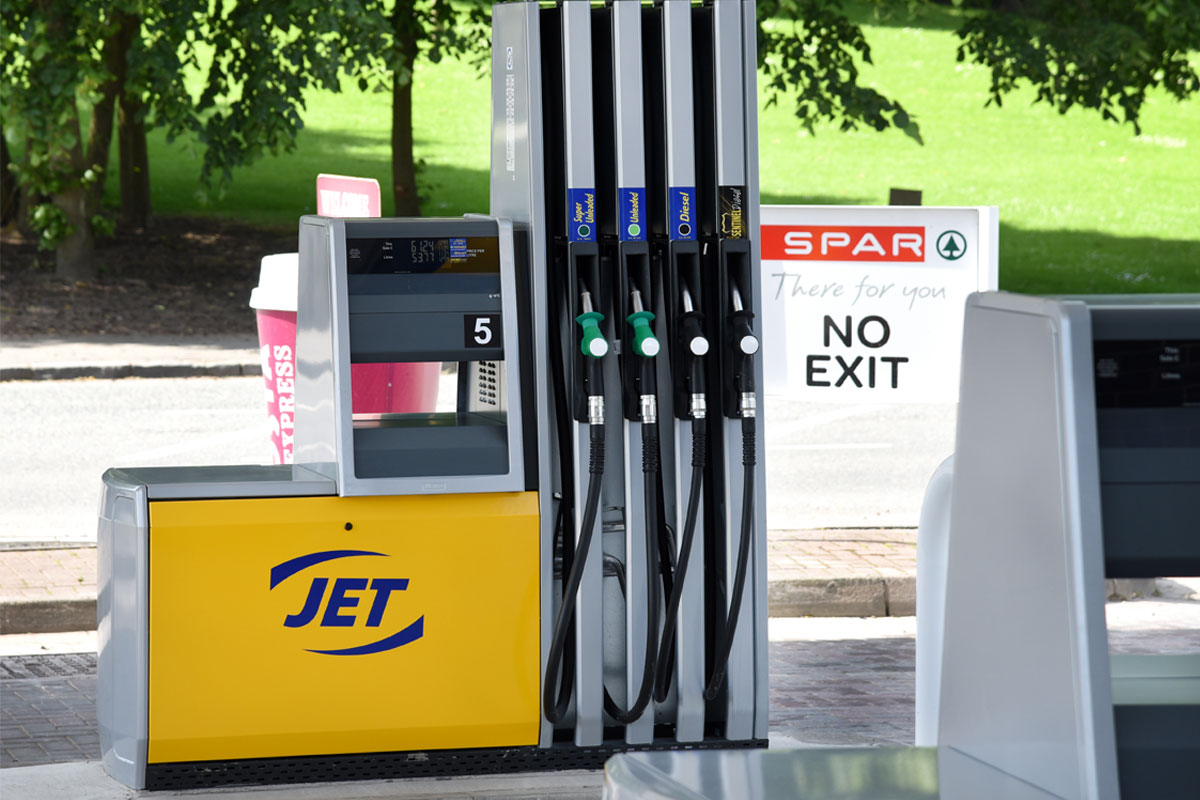
Overall motor fuel costs rose by 24.6% in the 12 months to the end of May, compared with a rise of 23% that was seen in the year to April. This marked the highest recorded since September 2022. This increase has been fuelled by the US-Israeli war in Iran and the closure of the Strait of Hormuz.
The average price of petrol rose by 0.6 pence per litre (ppl) between April and May, compared with a fall of 2.1ppl that was seen during the same time period in 2025. This meant the average price of petrol stood at 157.4ppl, the highest since November 2022.
Meanwhile, food and non-alc beverages prices rose by 2.2% in the 12 months to May, though this was down from the 3% figure reported in April. This fall was put down to small downward effects in the change in annual rate in meat (particularly beef and cooked ham); dairy (particularly cheese); vegetables; and fish.
Karen Betts, chief executive at The Food and Drink Federation, said: “It’s good to see an easing of food inflation in May, but consumer prices still don’t reflect the inflation caused by the closure of the Strait of Hormuz.
“It generally takes several months for the increased costs paid by farmers, processors and manufacturers to filter into raised prices at the tills, not least because of the widespread use of long-term contracts for energy and ingredients.
“But manufacturer input costs are rising, including for transport, packaging and energy, and we expect food inflation to pick up this year and into next.
“Uncertainty is the new norm for food producers, which is driving up the overall cost of food production. This makes it all the more important that government acts where it can – to prioritise food manufacturers for energy support and by prioritising and rationalising regulation, freeing businesses to invest in vital long-term resilience.”