





Impact of war begins to show across ONS inflation data
INFLATION crept back upwards at the end of March as the US-Israeli conflict in Iran continued to weigh on UK consumers’ wallets.
According to the latest data from the Office for National Statistics (ONS), the consumer price index including housing costs (CPIH) figure sat at 3.4% at the end of March. This represented a slight rise from the previous month when it sat at 3.2%.
Prices in the transport division saw the largest month-by-month increase in the ONS data as it climbed upwards to 4.7% by the end of March, representing a considerable rise from the 2.4% that was reported by the end of February.
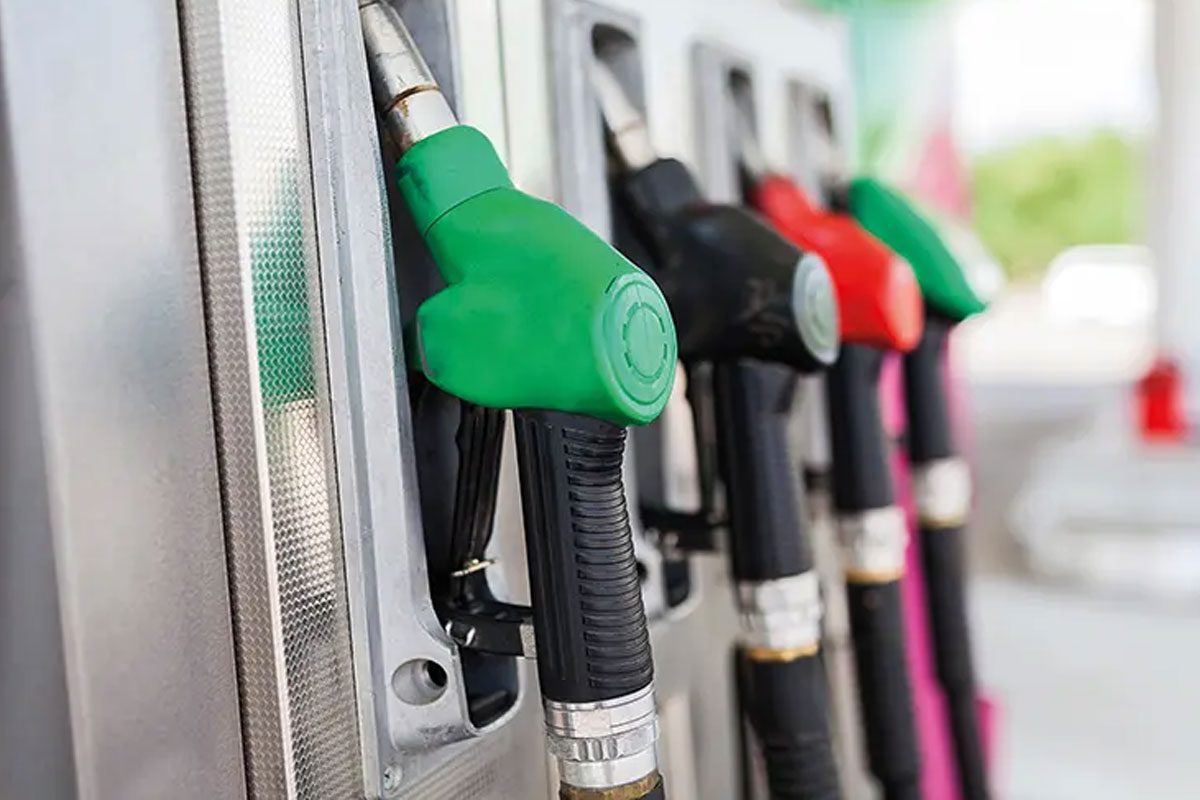
The largest contributor for this came from motor fuels, says the ONS, with the average price of petrol up by 8.6 pence per litre (ppl) between February and March to stand at an overall average price of 140.2ppl.

Meanwhile, diesel prices rose by a staggering 17.6ppl in March 2026 to stand at an average price of 158.7ppl by the end of the month. This has also been compared to the same time period from 2025 when diesel prices fell by 1.6ppl.
The ONS has also said the March figure was the highest recorded for motor price fuels since January 2023.
Harvir Dhillon, economist at the British Retail Consortium, said: “The first signs of inflationary pressure stemming from the conflict in the Middle East began to emerge last month, driven largely by rising fuel prices.
“Although the energy price cap and removal of green levies may provide some near-term relief, inflation will rise over the coming quarters as the full impact of the Middle East conflict filters through.
“As a more energy intensive sector, supermarkets and their supply chains are likely to be disproportionately affected. With food prices set to rise, it is lower income households that will be hit hardest.”
Food and non-alcoholic food prices have also increased to 3.7% in the 12 months to the end of March, up from the 3.3% figure that was seen by the end of February.
There were small upward effects across food and drink groups that contributed to this, namely chocolate and confectionery, meat, fish and soft drinks.
Dr Liliana Danila, chief economist at The Food and Drink Federation, said: “The clouds are gathering, but the storm has not yet broken on rising food and drink inflation. The war in Iran has delivered a cost shock that is already too large for manufacturers to absorb in full.
“The impact on prices will take time to work its way through the system, but it’s only a matter of time before it does.
“For manufacturers, long-term contracts with suppliers and retailers mean it can take up to a year for higher costs to be fully passed through. But where products are less processed, or supply chains are shorter, prices will move more quickly.
“This means we’re in a crucial window for action to limit the impact on shoppers. We’re working with government to look at the levers they can pull now to support food manufacturers now to soften the blow on consumers later in the year.”