


Concern of a ‘calm before the storm’ on UK inflation
COSTS across food and drink and fuel were in decline in the 12 months to the end of February, according to new data from the Office for National Statistics (ONS).
The consumer price index including housing costs (CPIH) figure stood at 3.2% at the end of February and remained unchanged from its position at the end of January.
Whilst costs across clothing and furniture crept upwards during the month, prices for food and non-alcoholic beverages saw a month-to-month decline from 3.6% down to 3.3%.
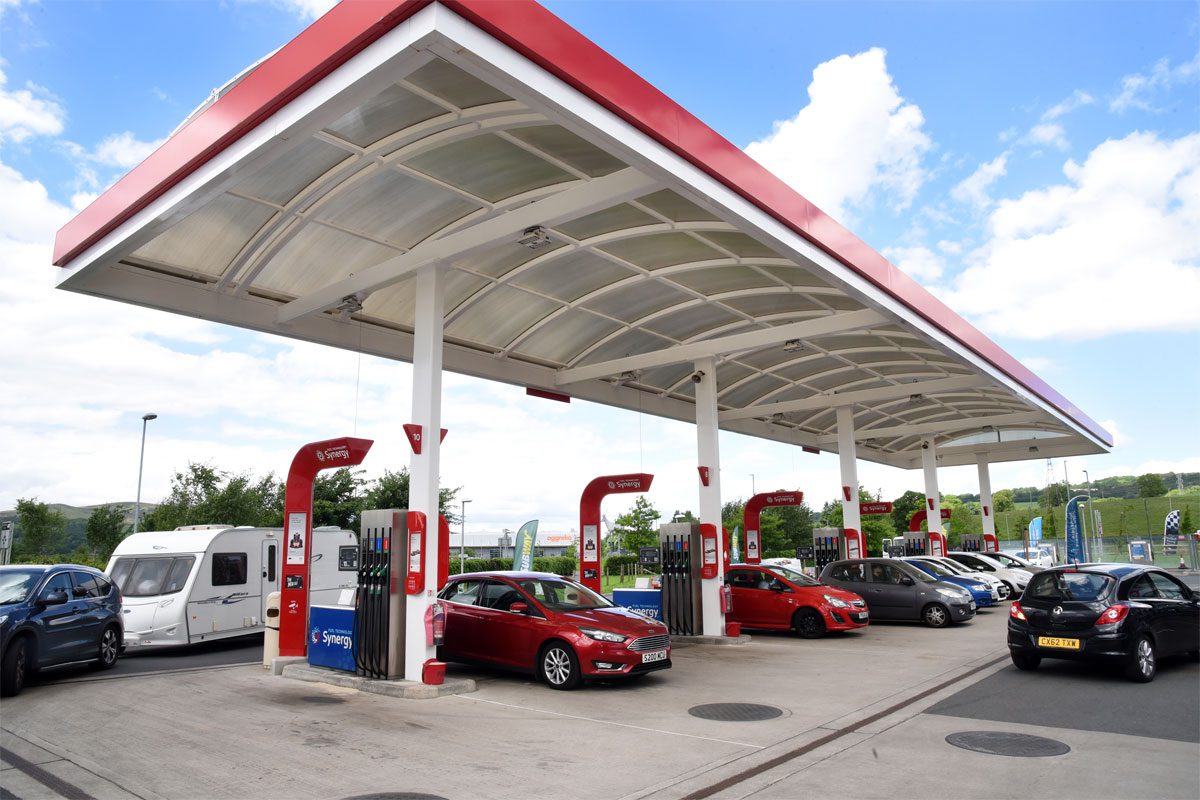
Similarly, fuel costs were also seen to decline at the end of February. The ONS reported that the average price of petrol fell by 1.6 pence per litre (ppl) between January and February 2026. This meant the average price stood at 131.6ppl by the end of the month.
Diesel saw a similar performance here as well, with a decline of 1.4ppl between the end of January and end of February. The average price here stood at 141.1ppl.
As a result, these movements meant that overall motor fuels dropped by 4.6% in the 12 months to the end of February, representing a massive month-to-month jump on this figure which stood at 2.2% at the end of January.
The ONS has mentioned that this data was collected on 28 February 2026, the same day that the US-Israeli war with Iran began.
The war in the Middle East is now expected to create instability across inflation further down the line and create further pressures across the economy and consumers.
Harvir Dhillon, economist at the British Retail Consortium, said: “Many families will continue to feel the cumulative impact of previous price increases and as conflict in the Middle East blocks key trading routes (with both energy and fertiliser affected), there is a significant risk that inflation will pick up again in the coming months.
“Heightened geopolitical tensions in the Middle East are very likely to increase energy and transport costs in the months ahead, creating additional pressures for consumers and businesses alike across the economy.
“If commodity price increases are sustained, inflation will not fall to the 2% target this year.”
When it came to food and drink, the main downward effect came from the annual change in rate for confectionery items, says the ONS, particularly for chocolate confectionery, where prices fell in the month to February this year but rose up in 2025.
Karen Betts, chief executive at The Food and Drink Federation, said: “While food inflation fell slightly in February 2026, I am concerned that this is the calm before the storm.
“The longer the conflict in the Middle East goes on, the bigger its impact will be on food prices. With food and drink price inflation already running above historical averages, heightened energy, maritime fuel and fertiliser costs will put further pressure on prices.
“While it can take several months for cost rises to filter fully through to shop shelves, the cost of the Iran conflict will be felt by shoppers this year. If government is serious about tackling the rising cost of living, it must provide our industry with at least the same support as other manufacturing sectors.”