


Bread and tobacco prices push up overall inflation
INFLATION ticked back upwards at the end of 2025, with tobacco and bread prices pushing up the overall figure according to the Office for National Statistics (ONS).
Covering the 12 months to the end of December, the consumer price index including housing costs figure (CPIH) stood at 3.6%, a month-to-month increase of 0.1% from the end of November.
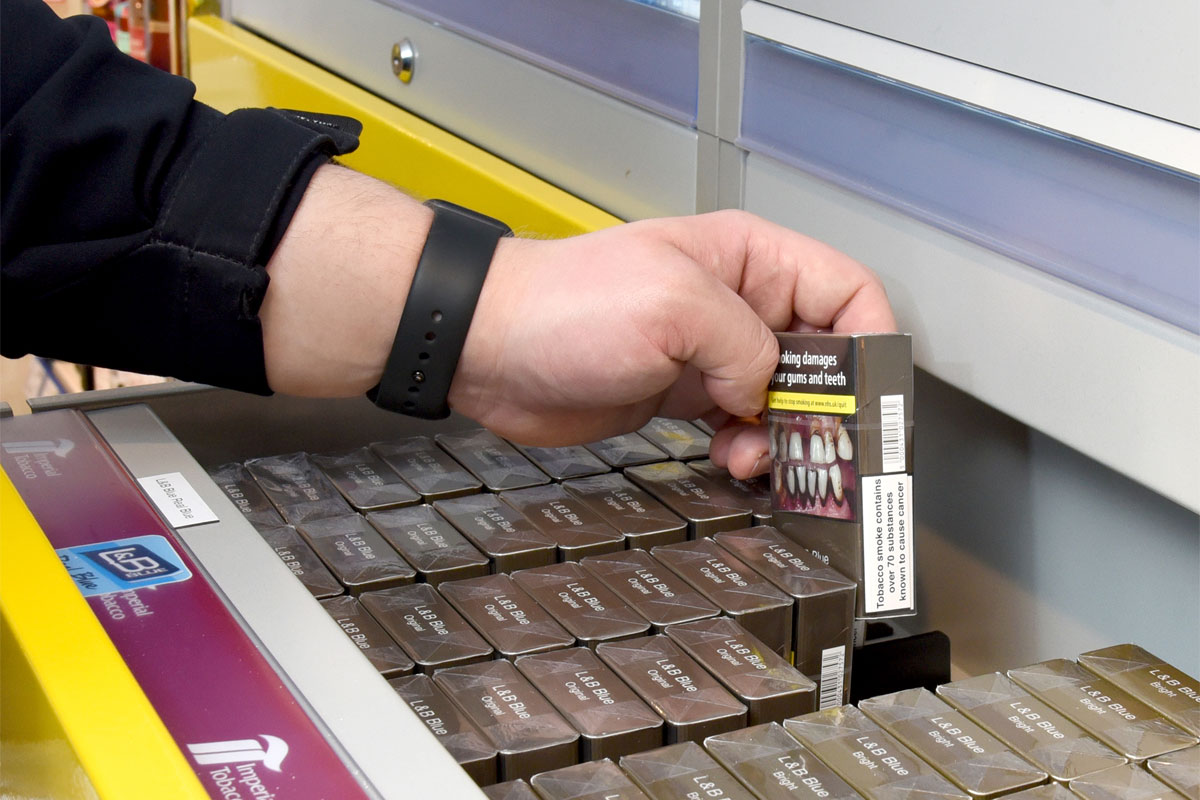
This has, primarily, been driven by an upwards leap in the alcohol and tobacco category which increased to 5.2% by the end of December, up from November’s figure of 4%. The rise in the 12-month rate is also a reflection on the upwards effect that the increase in tobacco duty has had on the figure.
Tobacco duty was officially increased on 26 November 2025 – due to the late announcement of the Autumn Statement from Westminster – which was after the point that the ONS collects the data. As a result, the increase in tobacco duty has been recorded as part of the December data for 2025.
The other largest contributor to the increase in inflation in December came from the Transport category. This has been put down to a jump in the prices of air travel though, as motor fuel prices had a “negligible effect” during the time period.
The average price of petrol rose by 1.3 pence per litre (ppl) between November and December 2025 to stand at an average price of 136.3ppl, the same price as it was in December 2024.
Similarly, diesel prices saw little increase and rose only by 1.9ppl in December 2025 to sit at an average price of 145.7ppl for the month.
Furthermore, food and non-alcoholic beverages prices rose to 4.5% in the 12 months to December 2025, up from the November figure of 4.2%. This was caused by an increase in three of the 11 food and non-alc beverages classes, with the largest increase here from the bread and cereals category.
Balwinder Dhoot, director of growth and sustainability at The Food and Drink Federation, said: “After a challenging year for food and drink manufacturers, food inflation saw a further increase in December 2025. As costs rise across the board it’s clear that households are feeling the squeeze, resulting in a subdued Christmas for the sector.
“The low UK consumer confidence, coupled with the prospect of continued geopolitical volatility, is concerning for food and drink manufacturers who face rising costs and tighter budgets themselves.
“Tackling rising prices and food security is a priority for industry and government alike, and these challenges underscore the need for government to better incentivise investment and productivity growth in our sector. This will help protect the sector from future shocks and help manufacturers minimise price rises for consumers.”