
Early details on Budget leaked by OBR confirm new raft of tax policies
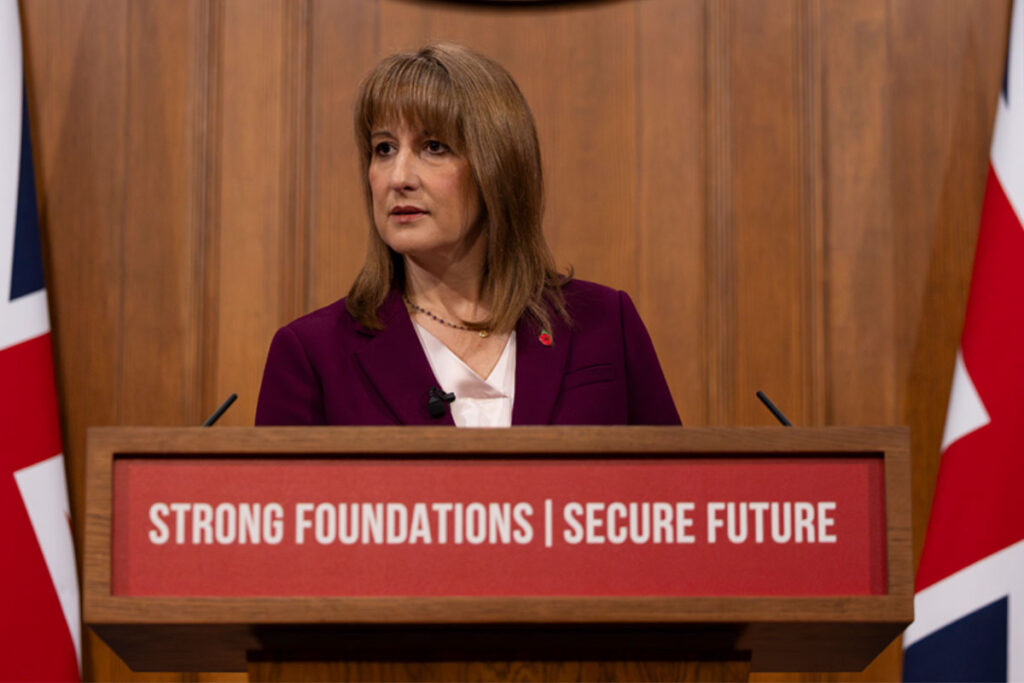
Photo Credit: flickr.com/KirstyO’Connor/HMTreasury
EMPLOYER National Insurance threshold contributions (NIC) have been frozen for three years from 2028-29, according to leaked information about the UK Budget.
The Office for Budget Responsibility (OBR) published an early report discussing ramifications from the UK Budget, listing a raft of new tax personal tax changes. According to the OBR, this is expected to provide £14.9billion in 2029-30.
This will be done through a combination of three moves from the UK Government, including a freeze on personal tax and employer National Insurance contributions thresholds for another three years, which is set to raise £8billion. It is also worth noting, Scotland sets its own threshold for personal National Insurance rates and a decision for this will be made when the Scottish Budget is published in January 2026.
Further to this, the UK Government will introduce NI charges on salary-sacrificed pensions contributing, raising £4.7billion. This will, reportedly, be introduced from April 2029 and will see a “salary sacrifice” on pension contributions above £2,000, meaning they will be treated as ordinary employee pension contributions in the tax system. Reeves also announced an increase to the state pension by £440 per year.
The final contributions towards this will be done through an increase the tax rates on dividends, property and savings income by 2 percentage points, raising £2.1billion.
Additional tax charges include:
• A reduction to the writing down allowance main rate in corporation tax, which raises £1.5billion;
• A new mileage-based charge on battery electric vehicles and plug-in hybrid cars from April 2028, raising £1.4billion. Reportedly, the charge will equal £0.03 per mile for battery electric cars and £0.015 per mile for plug-in hybrid cars, with the rate per mile increased annually with the CPI figure.
• These tax rises are partially offset as well by the continued freeze to fuel duty for a further five months from April 2026, followed by staged increases from September 2026, costing £2.4billion next year and £0.9billion each year thereafter.
Rachel Reeves, Chancellor of the Exchequer has also confirmed additional cash for devolved governments as she continued to announce her budget, with £820million for the Scottish Government – who has received the highest amount when compared to any other devolved UK government.
Prior to the Budget announcement, the UK Government also confirmed a pay raise to the National Living Wage and Minimum Wages as follows:
• National Living Wage (over-21s): £12.71, an increase of £0.50.
• 18 to 20 years olds: £10.85, an increase of £0.85.
• 16/17 year olds and apprentice rate: £8, an increase of £0.45.
Additionally, the UK Government also announced it will lower the threshold on how the sugar tax levy will be applied to soft drinks, and will remove the exemption on milk-based drinks.
Duty rates on tobacco is set to be uprated as planned, and alcohol duty will also increase in line with inflation, the Chancellor has announced. Further to this, a new levy is set to be introduced across vaping products from April 2026.