



Impact from diesel prices pushes up overall inflation
OVERALL inflation has reached a new high for 2026 as motor fuel costs and duty increases push costs upwards, according to the Office for National Statistics (ONS).
Covering the 12 months to the end of October, the consumer price index including housing costs figure (CPIH) stood at 3.7% by the end of the month, representing an increase of 0.1 percentage points from the 3.6% that was recorded in September.
The ONS has highlighted that increases to both transport and alcohol & tobacco costs had the largest impact during the month and has pushed the overall figure to a new record high for the year.
Firstly for transport costs, the ONS has found that prices in the division rose by 7.5% during the 12 month period, up from 6.6% that was recorded the previous month.
The average price of petrol rose by 5.2 pence per litre (ppl) between September and October 2026, compared to the 0.7ppl increase recorded during the same time period in 2025. This meant the average price stood at 174.7ppl in October 2026, the highest recorded since August 2022.
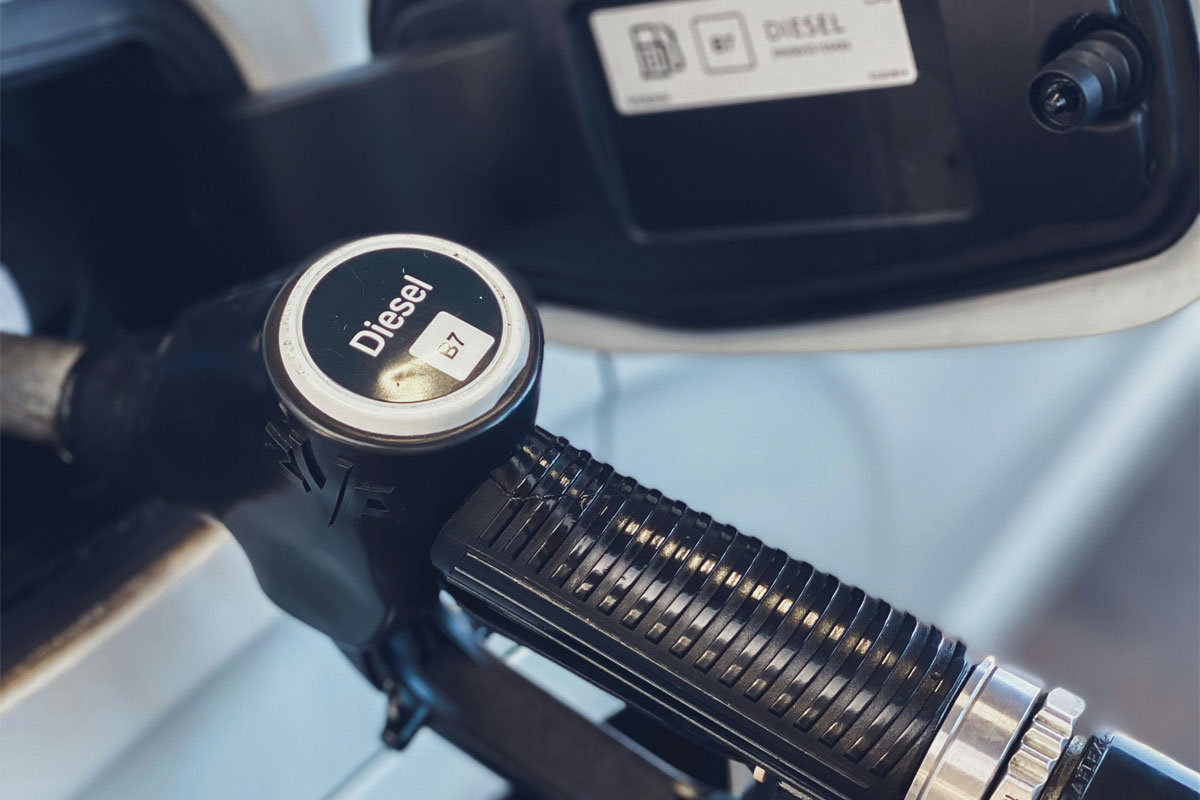
Meanwhile, diesel prices rose by 7ppl in October 2026, compared to the 1.2ppl increase recorded in 2025. This meant the average price here stood at 199.5ppl, marking the highest recorded figure from the ONS since its records began in January 1996.
Alcohol & tobacco costs rose by 4.5% during the 12 months to the end of October, marking a 2% increase from the previous month when the figure stood at 2.5%.
This considerable jump for the category has been put down to the timing of increase in tobacco duty from the UK Government’s Autumn Budget which took effect from 1 October. Tobacco prices were up 5.2% between September and October in 2026, compared to the fall of 0.1% that was recorded the previous year, however this has been put down to the fact that duty changes did not take effect until 1 November 2025.
There was some good news to be found amid the bad as the ONS reported a drop in food and non-alcoholic beverage costs. The research body said the division dropped down to 0.9% in October, down from the 1.3% recorded in Septmber.
Prices fell by 2.9% in the chocolate subclass compared to the rise of 0.4% recorded in 2025. Costs in this subclass have continued to increase since October 2021, said the ONS, with part of this increase down to the ‘cocoa crisis’ seen in 2024.
Speaking on the headline inflation rate, Harvir Dhillon, lead economist at the British Retail Consortium, said: “Headline inflation edged up in October, driven mainly by transport costs, while food inflation fell to its lowest rate in nearly five years, with notable falls in butter and chocolate prices.
“Food prices have risen just 0.5% this year, but higher energy and transport costs could push food inflation back towards 2% and overall inflation towards 4% early next year.”