




Pressure builds on consumers as inflation steadily increases
RISING fuel costs have once again pushed overall inflation figures back upwards, according to the latest data from the Office for National Statistics (ONS).
Covering the 12 months to the end of September, the overall consumer price index figure including housing costs (CPIH) stood at 3.6%, a noticeable rise from the 3.3% that was recorded at the end of August.
Transport costs saw the largest increase during the month, rising up from 4.6% to sit at 6.6% by the end of September.
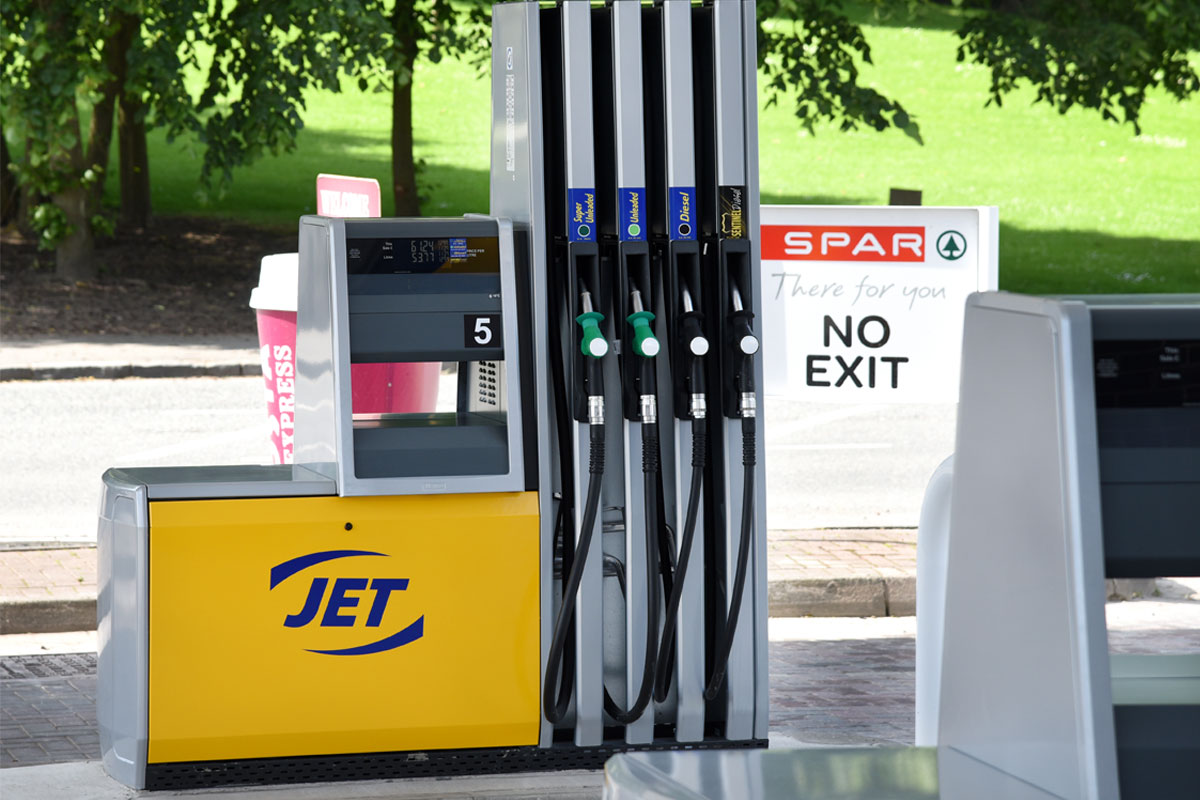
The ONS has put this 2% increase down to the continued rise in cost for motor fuels. According to the government body, the average price of petrol rose by 8.2 pence per litre (ppl) between August and September and stood at an average of 169.5ppl by the end of the month. This was the highest price recorded since August 2022.

Similarly, diesel prices rose by 10.7ppl in September. This was compared to the fall of 0.4ppl which was recorded during the same time period in 2025. As a result of this, the average price for diesel stood at 192.5ppl by the end of September, the highest price recorded since August 2022.
And it is possible that diesel prices could continue to climb further from this reported data as it will have been gathered before the RAC reported that the average price of diesel had broken through the £2 per litre threshold for the first time ever earlier in October.
Howard Cox, founder of FairFuelUK, said: “This inflation spike was not unavoidable. It was predictable, preventable and made worse by years of political complacency over transport costs.
“When diesel prices surge, inflation follows. Trucks, vans and commercial vehicles are the backbone of the British economy. When the Government allows fuel costs to spiral while continuing to treat motorists as cash cows, every household pays the price.
“The ONS has confirmed what FairFuelUK has warned about for years. Motor fuels are once again driving inflation higher. Ministers should stop acting surprised.”
Despite the rising costs of motor fuels, there was some relief to be found elsewhere as food and non-alcoholic beverages did not change between August and September and remained at 1.3% by the end of the month.
All 11 detailed classes within this category had little effect on the change in the headline rate, however there were some noticeable upwards effects which came from breakfast bakery products; cakes, tarts and sweet pies; tomatoes; and potato crisps. There were downward effects recorded for beef, chocolate assortments and fizzy drinks which helped to balance this out.
Harvir Dhillon, lead economist at the British Retail Consortium, said: “Retailers and Government are aligned on the need to tackle the high cost of living, and next week’s Budget provides a crucial opportunity to do just that.
“If Government can cut the cost of doing business, retailers will be in a better position to hold back price rises and increase investment in stores and jobs. However, today’s figures, which determine April 2027’s business rates uplift, mean retailers are on the line for around £250 million in additional bills, unless action is taken.”