



Prices at the pumps inflate overall inflation in August
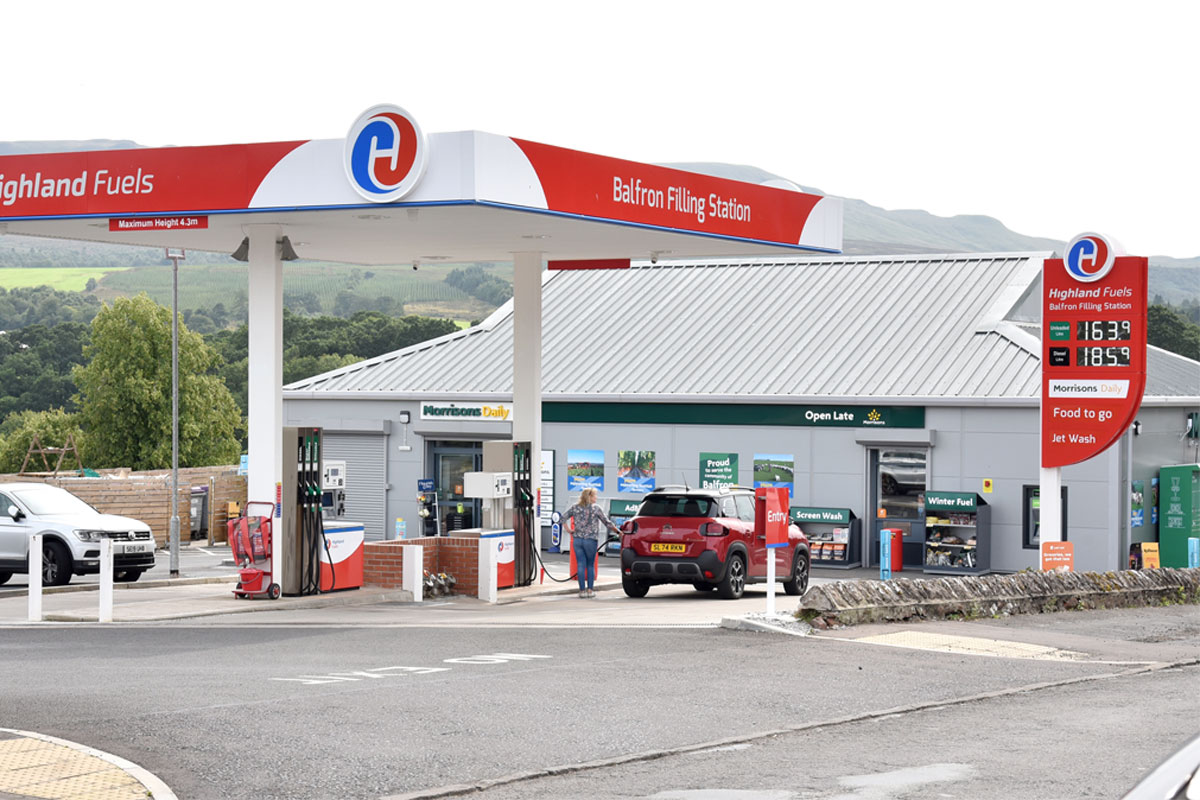
INFLATION was driven back upwards by the end of August by rising motor fuels across the UK, according to the latest data from the Office for National Statistics (ONS).
On a month-to-month basis, consumer price inflation including housing costs (CPIH) rose to 3.3% by the end of August marking a slight increase from the 3.1% figure which was seen in July.
This has primarily been caused by the ongoing US-Israeli conflict in Iran which has caused the price of oil to reach new heights across recent months.
The ONS found that overall motor fuel prices rose by 23% during the 12 months to August 2026, compared to the 15.5% rise which was recorded the previous month.
The average price of petrol rose by 9.1 pence per litre (ppl) between July and August, marking a considerable increase when compared to the 0.3ppl increase which was seen between July and August. As a result, the average price of petrol stood at 161.3ppl by the end of August marking the highest number recorded since November 2022.
Similarly, diesel shot up in price during the month and rose by 14.2ppl. Compared to the same time period between July and August, diesel prices only rose by 0.8ppl. This meant that the average price for diesel stood at 181.8ppl by the end of August.
Harvir Dhillon, lead economist at British Retail Consortium, said: “Tackling the cost of living is a top priority and retailers continue to do all they can to hold prices down. But until fiscal conditions improve, they will be fighting with one hand tied behind their back.
“The Autumn Budget is a chance to reset and reduce the cost pressures building up across the industry. Business Rates are perhaps the most significant of these, with retailers paying a disproportionate share of the total rates bill.
“Rising inflation means that businesses will expect their rates bill to rise even faster in April, adding to the cost pressures already being felt from high energy bills, employment costs, and packaging fees.
“The Chancellor can take meaningful action to mitigate these costs, using the Budget to announce a freeze to business rates. Halting the rise in these costs is the best way to support retailers, and by extension, the households who depend on them.”
Despite the increases seen here, there was better news to be found across food and drink. The ONS reported that food and non-alcoholic drink inflation remained stagnant between July and August and remained unchanged at 1.3% by the end of the month.
This was somewhat down to the fact that price rises in August 2026 increased at a slower rate than they did during the same time period in 2025. When it came to this year, the largest jump in prices came from sugar, jam, syrups, chocolate and confectionery which rose slightly by the end of August.
There was also a small downward effect caused by the meat category, where prices fell slightly in August 2026 compared to the much larger increase that was seen in 2025.
Speaking on the food inflation figures from August, Dr Liliana Danila, chief economist at The Food and Drink Federation, said: “Inflation was steady in August because the entire food system, including manufacturers, is straining to find further efficiencies and keep costs as low as possible for shoppers.
“However, the cost pressures caused by war in Iran, droughts across the UK and Europe, and El Niño are still very real challenges for food and drink manufacturers. We expect these to filter through into prices in shops.
“Government can help tackle rising shopping bills. We’ve given the Chancellor suggestions on how he can help take the heat out of food inflation, including providing rapid and targeted energy support for food and drink manufacturers.
“Food and drink is an essential that households can’t go without. If the government is serious about tackling the cost-of-living, this sector needs to be a priority.”