





Pressure on consumer goods eased across June
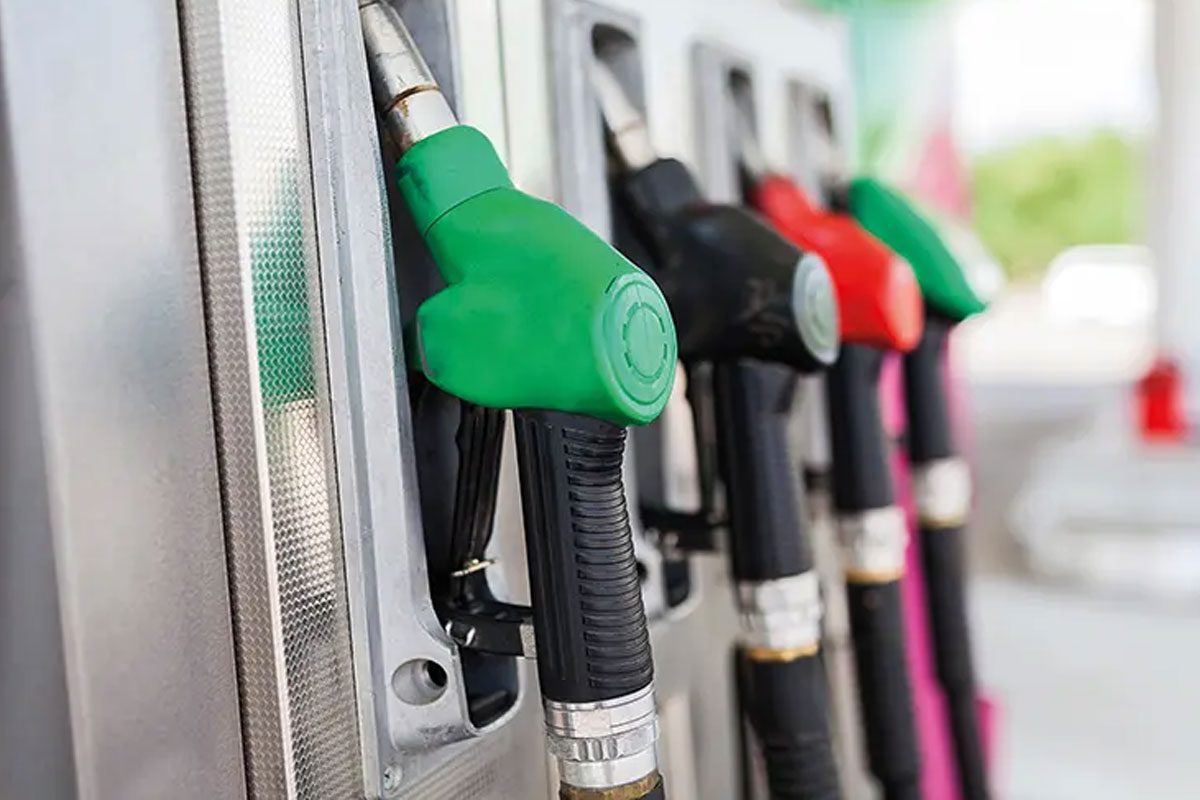
A DECLINE across motor fuels prices helped to bring down overall inflation throughout the month of June, according to the latest data from the Office for National Statistics (ONS).
Covering the 12 months to the end of June, the consumer price index including housing costs figure (CPIH) stood at 2.8%. On a month-to-month basis, this represented a decrease of 0.2% from the end of May.
The ONS has largely put this easing in inflation down to a significant drop in motor fuel prices, especially diesel. The ONS said that between May and June 2026, the average price of diesel fell by 10.7 pence per litre (ppl) and stood at an average price of 176.4ppl by the end of June.
This has also been contrasted against the same time period seen in 2025, when diesel prices only fell by 0.6ppl.

There was some relief to be found for petrol prices as well, which fell by 2.1ppl during June, meaning the average price stood at 155.3ppl by the end of the month. Again, this was contrasted against the same time period from 2025, when petrol prices only fell by 0.5ppl.
This will spell some relief for motorists across the UK and the ONS also noted that this was the first time that motor fuel prices have eased since the start of the conflict in the Middle East at the end of February. The ONS had previously reported that the US-Israeli war in Iran led to a sharp increase in motor fuel prices and that costs were likely to continue decreasing here had it not been for the conflict.
And there was further goods news across the categories as food and non-alcoholic beverages prices fell on a monthly basis as well. By the end of June, these prices stood at 1.7%, down from the figure at the end of May which stood at 2.2%.
This figure in the annual rate in June also marked the lowest one recorded for food and non-alcoholic beverages since August 2024.
Harvir Dhillon, economist at the British Retail Consortium, said: “The drop in both headline and food inflation is good news for households, who are benefiting from summer deals. Food inflation had a particularly notable drop, its lowest in almost two years, with prices falling on the month.
“It is vital that the new Government prioritises maintaining this momentum and works with retailers to keep prices down, as any reduction in cost burdens will help keep a lid on prices.
“Retailers are already facing immense financial pressure, squeezed by higher National Insurance, the triple packaging tax, and other input cost increases tied to the conflict in Iran. If retailers are to keep prices affordable for consumers in the long run, the Government needs to take practical steps to lower the everyday cost of doing business.”
Falling costs across the sugar, jam, syrups, chocolate and confectionery category helped to achieve this in June, with the ONS pointing out that chocolate in particular saw a significant decline this year compared to 2025.
Additionally, there were small downward effects that came from the oils and fats category, meat, dairy and vegetables.
Dr Liliana Danila, chief economist for The Food and Drink Federation, has praised hard work of UK food and drink manufacturers in helping to keep food prices secure for consumers, though she also pointed out that the organisation expects this figure will rise once again later in the year.
She said: “It’s positive to see food and drink manufacturers managing to keep food prices stable in the face of rising input costs. What’s become clear is that food manufacturers have worked hard since Russia’s invasion of Ukraine to diversify their supply chains and shore up their resilience against further major supply shocks.
“We continue to anticipate rising food price inflation as the year goes on, however this is likely to be lower, come later and plateau for longer than the previous inflationary cycle.
“With disruption the new norm for the food system, it’s critical that the new Prime Minister takes food security seriously and is ready to work in partnership with industry to ensure our food system is investing for growth and resilience, from vital tech adoption to future-facing skills.”