



Price jumps across the pumps cause abuse for operators
INDEPENDENT forecourt operators have been robustly defended by sector organisation chiefs at a meeting with Chancellor Rachel Reeves and Energy Secretary Ed Miliband.
Fuel retailers had been accused of profiteering after huge hikes at the pumps since the start of the US-Israeli war with Iran.
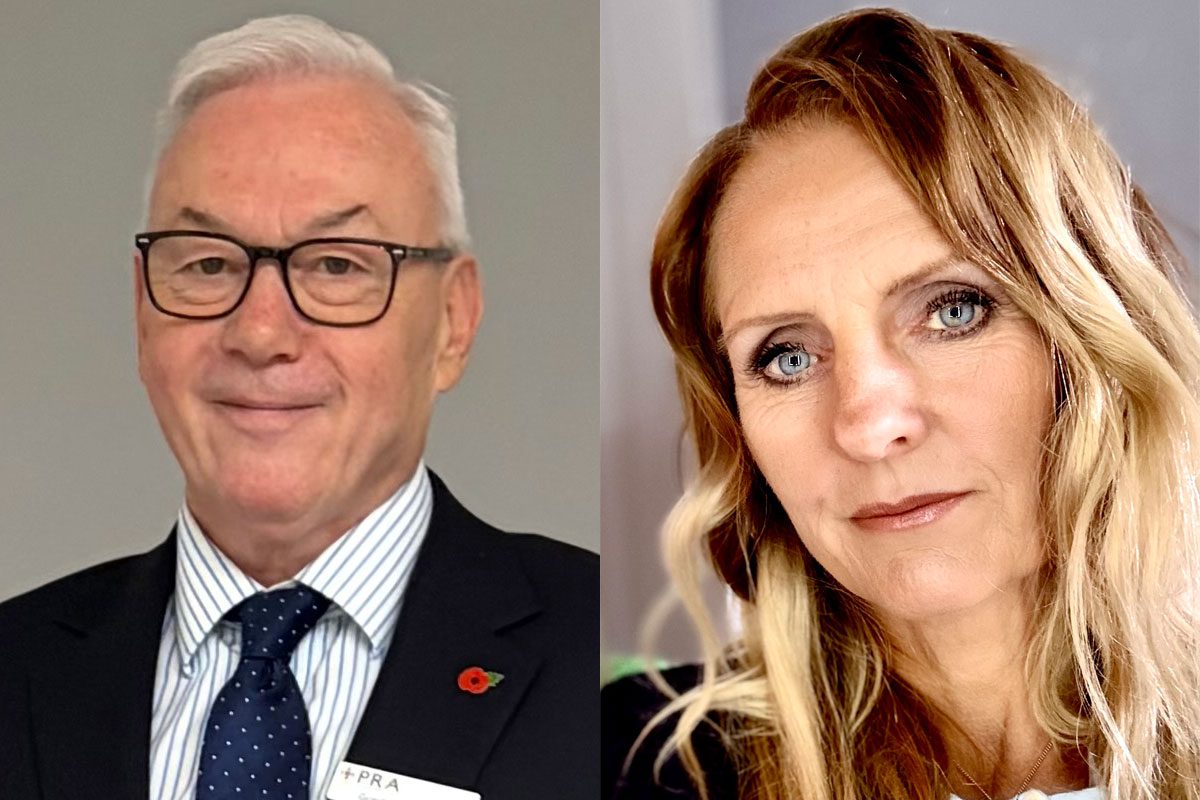
But Petrol Retailers Association executive director Gordon Balmer warned unsubstantiated allegations of price gouging was putting front-line forecourt staff at risk as they faced angry motorists’ complaints.
He called on Reeves to help cut pump prices by abandoning plans to increase fuel duty.
Since then, Balmer has lobbied the UK Government to match recent measures announced by the Government in the Republic of Ireland to cut excise duty across fuel. The Irish Government announced on 24 March that it would cut excise duty on diesel by 20% and would introduce a 15% cut for petrol until the end of May.
Balmer said: “I am not going to allow politicians to make scapegoats of British forecourt operators, by making inflammatory and unjustified accusations of profiteering.
“The fact is that for every litre of petrol sold by retailers, less than 5% is retained as profit, while the Government receives around 55% of the money raised from petrol sales from Fuel Duty and VAT.
“The Chancellor needs to abandon her plan for a 5p rise in fuel duty and announce immediate short term cuts, in line with Eire.”
Additionally, recent data from security firm Forecourt Eye has found that fuel thefts increased by 6%, with a 12% rise in the volume of fuel stolen, in the two weeks after the Iran conflict began compared with the two previous weeks.
Managing director Michelle Henchoz said: “What the data doesn’t capture, but what our users are telling us about, is the sharp rise in abusive behaviour directed at forecourt staff, who bear the brunt of customer frustration over prices.”
Meanwhile, Scottish Wholesale Association chief executive Colin Smith warned it was no longer sustainable for wholesalers and suppliers to absorb the massive increase in fuel costs and that food price rises were inevitable.
He added: “There is also a growing risk of fuel rationing, which could cause far more disruption ahead.”