

Transport costs and food & drink pull down overall figure
A DROP in fuel and food & drink costs massively contributed to a decline in the overall rate of inflation for the beginning of 2026, according to the Office for National Statistics (ONS).
Covering the 12 months to the end of January 2026, the consumer price index including housing costs (CPIH) figure sat at 3.2%, a month-to-month decline from the December figure which stood at 3.6%.
Prices in the transport division rose by 2.7% during the 12 month period. This was a considerable decrease from the figure at the end of December when the category sat at 4%.
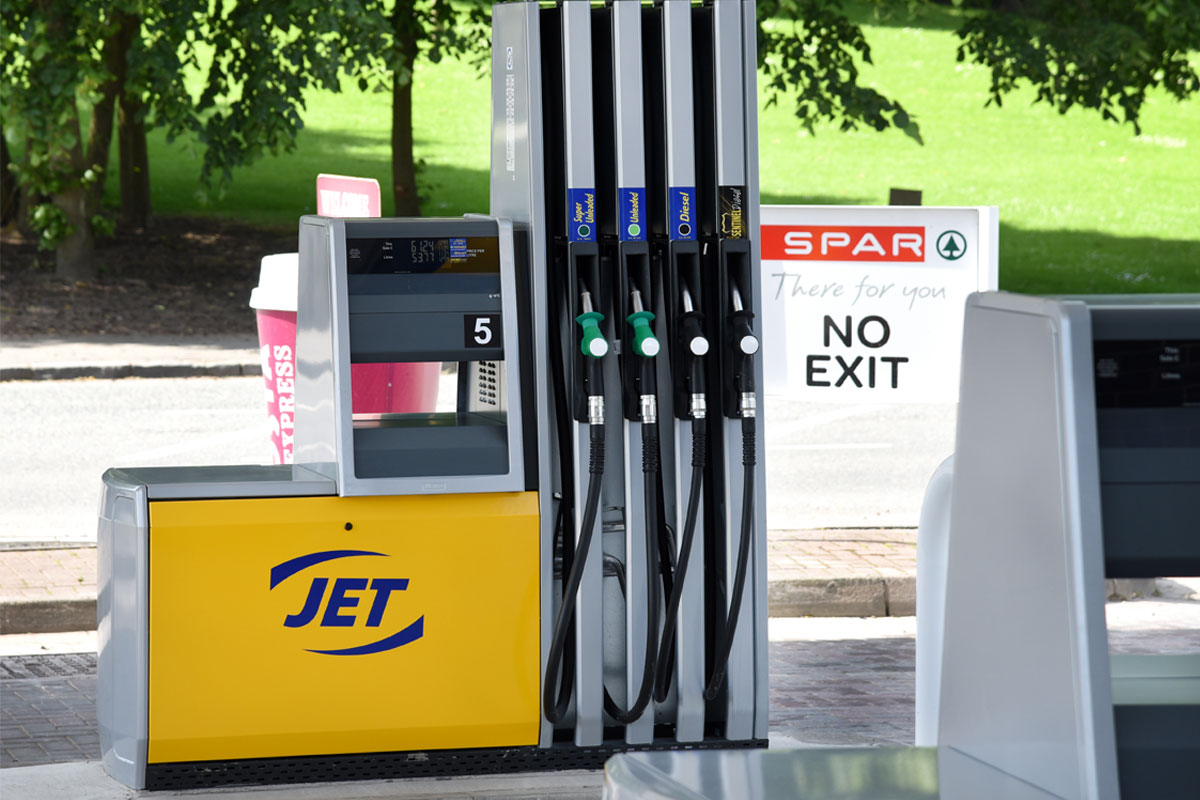
The ONS has said this drop in prices has come from motor fuels, where the average price of petrol fell by 3.1 pence per litre (ppl) between December and the end of January. This was also compared with the 0.8ppl increase that was seen between December 2024 and January 2025. Overall, the average price of petrol sat at 133.2ppl in January 2026.
Similarly, diesel prices fell by 3.2ppl between December and the end of January, compared to the rise of 1.5ppl that was seen at the start of 2025. The average price for diesel stood at 142.5ppl at the end of January 2026.
These movements resulted in an overall fall in motor prices of 2.2% in the 12 months to January 2026.
Meanwhile, food and non-alcoholic beverage costs saw a steep decline in January from December, falling from 4.5% down to 3.6%.
This has been attributed to a downward effect from six of the 11 food and non-alcoholic beverage classes. These were bread & cereals; meat; milk, cheese & eggs; food products not elsewhere classified; coffee, tea & cocoa; mineral water, soft drinks and juices.
Harvir Dhillon, economist at the British Retail Consortium, said: “Shoppers will have been pleased to see the price of clothing, footwear and furniture dropping significantly on the month as a result of heavy discounting by retailers during the January sales. And there was further good news for customers as staples such as bread, cereals and rice all fell in price on the month.
“This improvement reflects intense competition between retailers, who continue to try and absorb higher costs wherever possible to keep prices down for customers. However, margins remain razor thin and the cumulative burden of taxation and regulation on consumer-facing industries is rising.
“Retailers continue to face high labour costs, and the additional complexity associated with the Employment Rights Act risks adding to existing pressures. Without careful implementation, retailers’ ability to shield customers from higher prices, as well as to invest and create jobs, will be limited.”