




Legal rules across nicotine products come into power
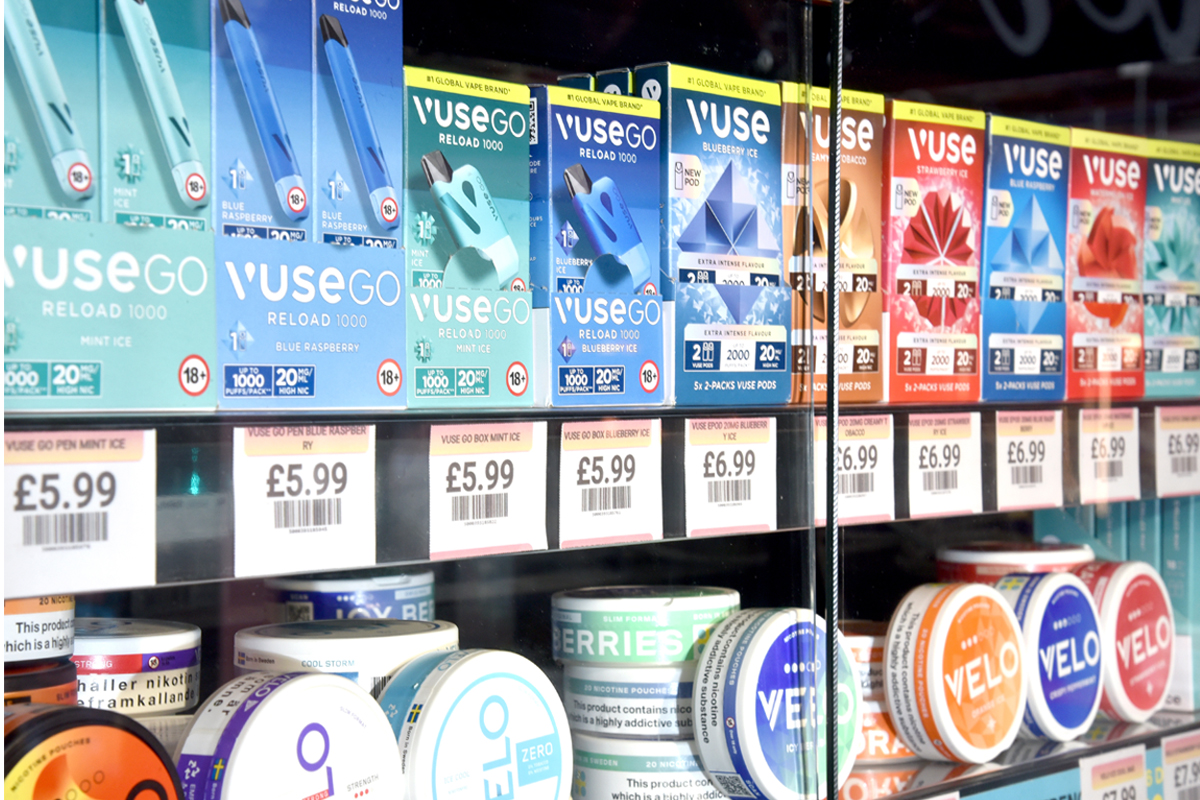
NEW legal requirements across nicotine products have come into force today (29 October) restricting the ways in which retailers can market these items.
Introduced through the Tobacco & Vapes Act 2026, the new rules now make it an offence to sell any vaping product or nicotine product – including nicotine pouches and zero nicotine vapes – to anyone under the age of 18. It will also be an offence for anyone over 18 to buy, or attempt to buy, these products on behalf of anyone under the age of 18, i.e. proxy purchasing.
In addition to this, the UK Government has also introduced the following restrictions:
• It is an offence to sell or dispense vaping products, nicotine products, tobacco products, herbal smoking products or cigarette papers via customer facing vending machines. There is an exemption for inpatient mental health setting, recognising the important role that vaping can play in helping smokers to quit.
• Free distribution, samples, coupons and substantial discounts on any vaping, nicotine, tobacco or related products are also prohibited for members of the public, meaning retailers can no longer give out free trials on these products to customers. This also applies to any product that promotes a nicotine brand, whether it is a nicotine product or not.
• Enforcement authorities will be able to issue fixed penalty notices for a range of offences relating to tobacco, vaping and nicotine products.
In Scotland, retailers who commit relevant offences on at least three occasions within the space of two years may be subject to a banning order, meaning this will stop them from selling relevant products from the specified premises for up to two years.
Hazel Cheeseman, chief executive at Action on Smoking and Health (ASH), said: “Nicotine products have been promoted indiscriminately in recent years through giveaways at festivals, shopping centres and railway stations. With no age of sale for nicotine pouches or limits on free handouts children have been exposed to potentially harmful marketing. Today’s regulation brings the law up to date and will protect children.
“However, striking a balance is important with regulations, these nicotine products are less harmful than smoking and may have a role in helping people to quit. It is welcome to see carve outs for stop smoking services to continue to provide free nicotine alternatives for those who need them.”