



Chancellor extends fuel duty freeze and builds rates relief in England
THE UK Government has made a pledge to support the people to provide “breathing space on the cost of living and the cost of business”.
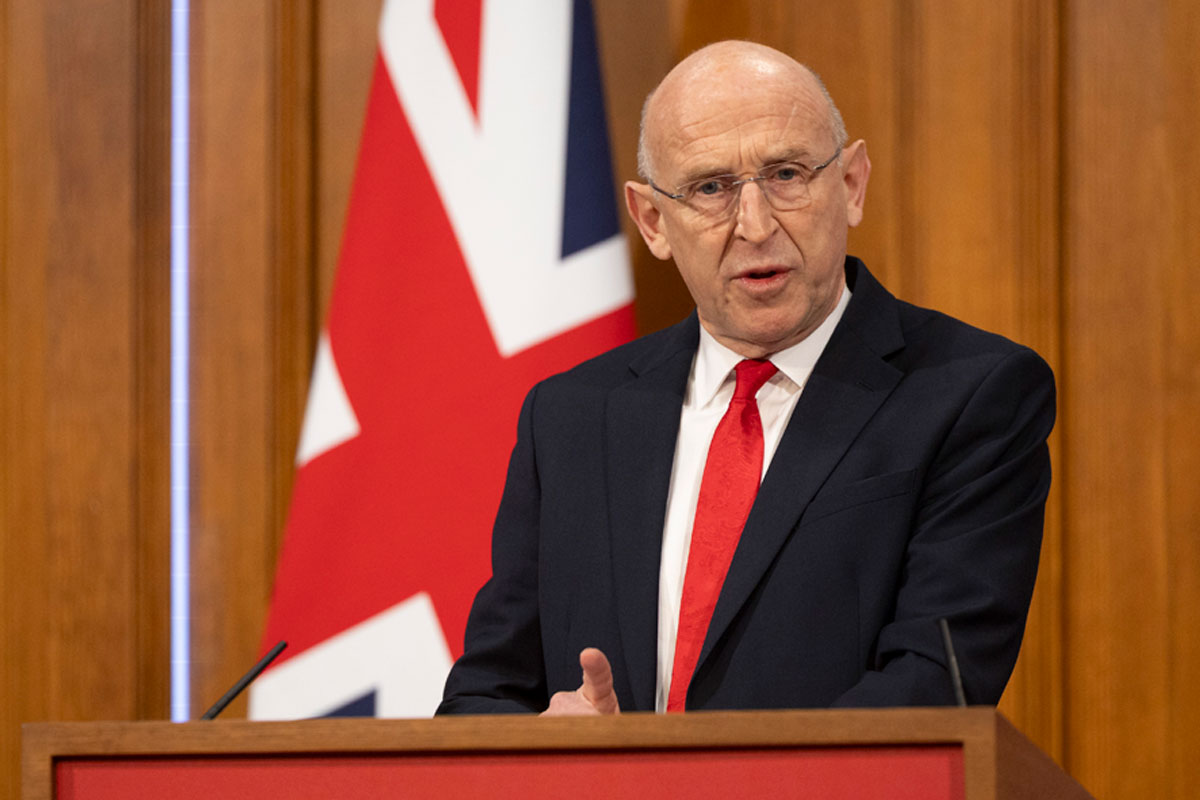
Delivering his first Autumn Budget on 28 October, Chancellor John Healey set out the Government’s spending plans for 2026/27 in the name of supporting the working people of Britain.
As part of the announcement, Healey announced plans to increase the National Minimum Wage (NMW) and National Living Wage (NLW) by 3.9%. This will mean that the minimum wage for people over 21 will rise from the current £12.71 to £13.20 an hour from April 2027, while the minimum for those aged between 18-21 will increase from £10.85 to £11.27 per hour.
Hemanshu Patel, national president of The Federation of Independent Retailers, has said that the Government needs to recognise that many retail businesses in the UK will struggle to foot this additional bill and it could have an impact on hiring prospects for many.
He said: “Independent retailers want to pay their staff fairly, but the Government must recognise that every increase in employment costs has to be paid for by a business already facing significant financial pressures.
“For many independent retailers, these are not simply figures on a spreadsheet. They affect decisions about whether they can afford to take on new staff, offer hours to younger workers or maintain their existing workforce.
“We are concerned that, without proper consideration of the cumulative costs facing employers, the Government risks making it harder for young people to find work and for independent retailers to continue providing jobs in their local communities.”
The UK Government also set out its plans to tackle rising energy prices, which have been further inflated due to the ongoing conflict in the Middle East. Healey announced that households between council bands A-D in England will receive a one-off £100 payment directly to their bank accounts to help pay for gas and electricity across the winter months.
He also announced that funding has been allocated for the same decision to be taken by devolved governments across the UK and urged they followed Westminster in this.
However, one aspect of the Budget that is not guaranteed for Scotland is the uplift to business rates relief for retail premises in England. The Chancellor announced that rates relief across England will increase for next year, rising from £12,000 to £18,000. Not only will this see many businesses south of the border pay less towards rates, but it will also mean some smaller businesses will not have to pay rates at all.
This has left the question on whether or not Holyrood will follow suit and match this decision in the Scottish Government’s Budget announcement, set to come on Thursday 3 December.
Speaking on this, Pete Cheema, chief executive at the Scottish Grocers’ Federation, said: “Many Scottish retailers are already operating at a commercial disadvantage to counterparts south of the border.
“With historically higher poundage than elsewhere in the UK, Scottish retailers are missing out on significant relief that has been available to businesses in England and Wales in recent years. Conversely, support available through the Small Business Bonus Scheme has declined year-on-year, as more businesses are raised out of the scheme and thresholds remain stagnant.
“The Scottish Government now has the opportunity to right that wrong and provide much needed support for local shops that are at the heart of their communities by fully passing on the additional reliefs announced today.”
Additionally, the Chancellor announced that vape shops in England will no longer benefit from rates relief.
And to help keep the price of the weekly shop down, Healey has also made the decision to suspend tariffs on over 100 household grocery products including baked beans, garlic and boiled sweets, to name a few.
Furthermore, the Chancellor announced the 5p freeze on fuel duty will be extended into summer 2027. The freeze, which was first introduced in 2022 when oil prices spiked due to the war in Ukraine, was due to end in January 2027 when it was set to be increased by 3p and then the following 2p would have been added in March.
This extension to the fuel duty freeze is now set to last to July 2027 at the very latest, says Healey.
Howard Cox, founder of FairFuelUK, said: “Freezing Fuel Duty is a victory for drivers, businesses, and sustained campaigning. But let’s be absolutely clear: a freeze is not a cut.
“Millions of drivers, small businesses, hauliers, farmers and tradespeople are already being battered by painfully high petrol and diesel prices. Simply deciding not to make those prices even worse through higher taxation is the very least the Government should be doing.”