




Forecourt Eye reports increase in diesel theft at forecourts
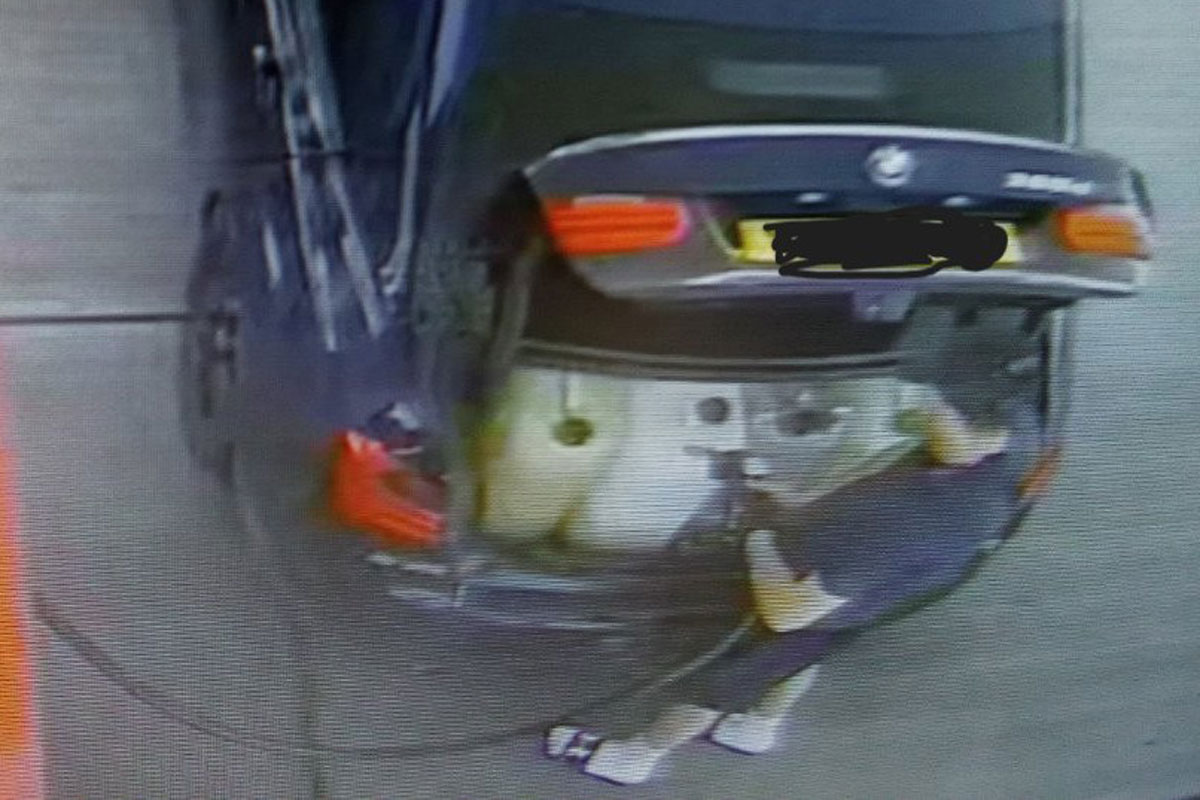
RETAIL security tech firm Forecourt Eye has reported in a surge of diesel fuel thefts across the UK since the outbreak of the conflict in Iran.
Forecourt Eye reported that diesel-related incidents were up by 21% across the Uk, almost twice as much of the rate of incidents related to petrol.
The figures have been compiled by Forecourt Eye and found a surge in diesel theft in the eight months from March to October 2026, compared to the preceding eight month period.
The volume of diesel involved in theft and no means of payment (NMOP) incidents increased by 27% during the time period. This was more than three times the number connected to petrol – which sat at 8% – revealing that diesel is accounting for an increasingly significant proportion of fuel crime across UK forecourts.
This is also having its impact on forecourt store operators financially as well, with the gross value of diesel involved in theft and NMOP incidents was up by 60%, reflecting both higher fuel prices as well as the larger volumes of fuel taken.
This follows on from Forecourt Eye’s report that fuel theft rose to over £750,000 by the end of April 2026, highlighting the massive impact that the conflict in Iran is having on the channel.
Michelle Henchoz, managing director at Forecourt Eye, said: “What stands out in these latest figures is the difference between diesel and petrol, and the sharp increase in motorists declaring they have no means to pay. In previous data we have shared, we have not reported diesel and petrol incidents separately, but October’s high diesel price point was an opportunity to take a closer look.
“The figures showed that incidents involving diesel hit their highest point in July, while the October price spike has had a minimal impact so far, but the overall trend is still well above the pre-conflict average. Our experiences tells us that sudden increases in fuel prices can be a trigger for more incidents, but these latest figures suggest the impact can last long after the initial price shock.”