



Vapes blaze sparks plea for Trading Standards resources
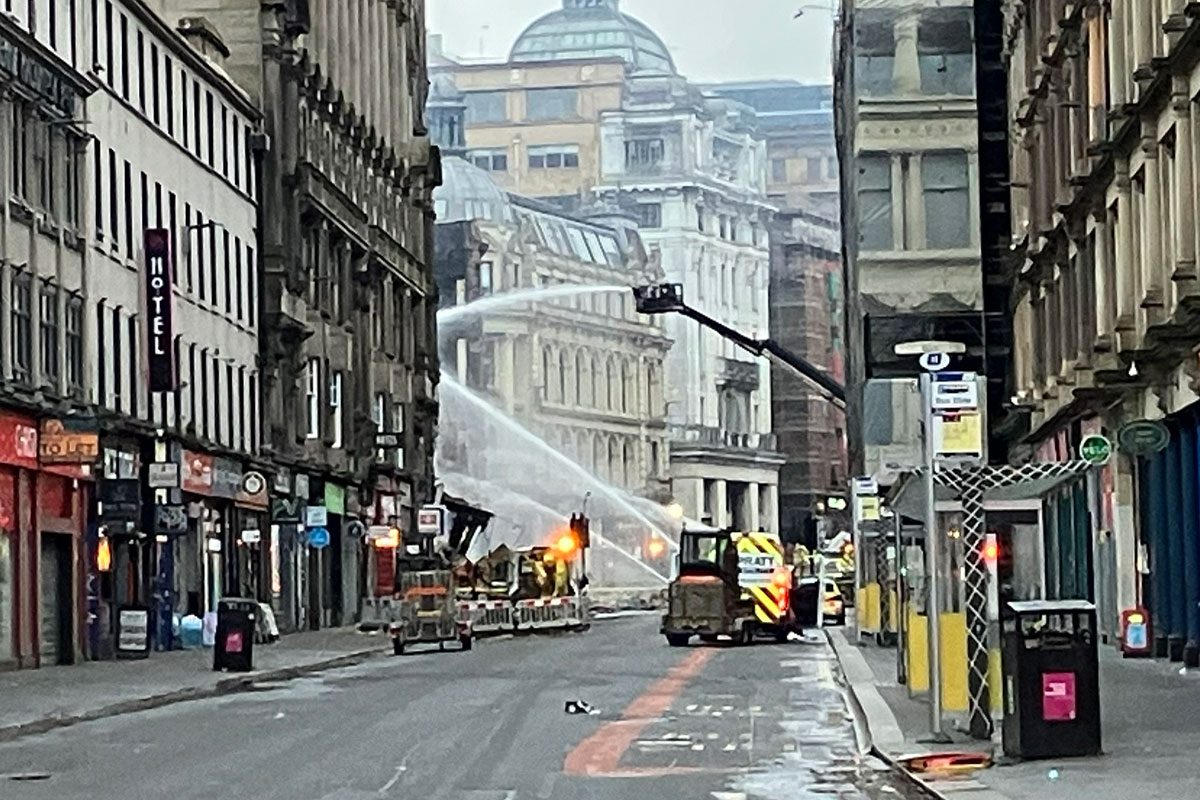
C-STORE sector bosses have called for more resources for Trading Standards Scotland teams following the Glasgow city centre fire that started in an unregistered vape shop.
The fire started inside a vape shop in Glasgow’s city centre on Sunday 8 March and tore through the B-listed Forsyth House building where the shop was based.
It was later revealed that the vape shop in question was not on the register of Tobacco and Nicotine Vapour Product Retailers and, as such, was not permitted to sell vaping devices.
As a result, many industry trade bodies have now argued that Trading Standards Scotland needs more resources to help avoid devastating incidents such as this from happening again.
Pete Cheema, chief executive at the Scottish Grocers’ Federation, said: “There needs to be significantly tougher action on illicit trade and non-compliant sellers. It’s our view that it must be matched with new dedicated resources for Trading Standards and the Scottish justice system.”
He added that community safety minister Siobhian Brown was keen to explore the trade body’s proposals to tackle the illicit market.
The Federation of Independent Retailers‘ national president Hetal Patel added to this call and said: “Our members are responsible retailers and want to operate on a level playing field with less scrupulous shops who sell illicit products, including unsafe vapes. That’s why we’re calling for greater resourcing for Trading Standards.”
The demand for support comes at a time when Trading Standards chiefs admit that their resources are stretched thin, making it a challenge to follow up on reports of illicit trade.
Chris Bell, chairperson of the Society of Chief Officers of Trading Standards in Scotland, said staffing levels were at their lowest-ever level – down by about 50% in the last 15 years.
He said: “Scottish Government does provide funding for tobacco and vapes work and although many teams are active in this area, those overall cuts undoubtedly have an impact on the amount of work which is able to be undertaken.”
First Minister John Swinney has also told MSPs that ScotGov is now looking at ways to better regulate these illegal vape shops in the wake of the Union Street blaze and clamp down on their presence across the country.
A ScotGov spokesperson said: “We will look to identify what further steps are required to ensure that there is proper and effective regulation of such premises.”
Beyond the impact that the fire has had, there is also concern around the knock-on effect on local businesses’ footfall for the city.
Whilst Glasgow Central Station is now fully open once again, the Scottish Retail Consortium (SRC) reported a decline in footfall for city centre shops following the fire, even for those outside of the temporary cordon that was in place and were, therefore, still allowed to remain open.
Data from the SRC-Sensormatic shopper footfall monitor found there was a 5.75% decline in footfall in the days immediately after the fire (from Monday 9 to Thursday 12 March) across all of Glasgow, including shops outside of the city centre.
David Lonsdale, director of the SRC, said: “The awful fire on Union Street and the knock on constraints on trains into and out of Central Station has understandably taken a toll on trading and shopper footfall.
“A number of stores in the vicinity but out-with the cordon and therefore able to trade have reported to us double-digit declines in shopper footfall and retail sales in the immediate days afterwards. Stores from Argyle Street to the Merchant City to Sauchiehall Street have felt the impact.”