


Spirits options continue to bring in the extra boost across the off-trade for store operators

AS we raise a glass to the end of another year, it’s the perfect time to reflect on the trends, challenges, and triumphs that have shaped the alcohol category in 2025.
From shifting shopper behaviours to evolving health trends and legislative changes, the landscape continues to evolve and Scotland’s favourite brands are rising to the occasion.
Alcohol remains the largest category in the market, valued at £1.6billion in Scotland. However, it has seen a 2.3% decline, primarily driven by a reduction in both the volume purchased per buyer and the frequency of purchase.
Spirits lead the category at £480million, followed by beer and cider at £357million. Flavoured alcoholic beverages have been the standout performers, growing at an impressive 17.6%, with beer and cider also showing strong growth at 12.1%.
While low and no-alcohol options grew by 7.9% in value across Great Britain, the category experienced a 4.9% decline in value in Scotland suggesting a more nuanced consumer relationship with moderation.
The brands featured in this report collectively account for £201million of the category’s value. Notably, the top four brands remain unchanged. Congratulations go to Tennent’s for securing the number one spot once again, driven by increased spend per buyer and purchase frequency.
Whyte & Mackay holds firm at number two, widening the gap between itself and The Famous Grouse, which remains in third place. Glen’s Vodka continues to hold steady at number four and McEwan’s has climbed into the fifth position, thanks to gains in both penetration and frequency.
This is followed closely by fellow beer brands BrewDog and Innis & Gunn, both of which also saw frequency increases. A warm welcome to Edinburgh Gin for making a new appearance on this year’s list at number 10.
The alcohol market has faced its fair share of challenges this year. Cost-of-living pressures have significantly influenced consumer and shopper behaviour. Discounters have benefited from these shifts, while eCommerce continues to gain ground.
The rise of tech-savvy shoppers is gradually reshaping the grocery landscape, prompting established grocers to invest in digital solutions.
Following the pandemic-driven boom, take-home alcohol volumes have now dipped just below 2019 levels. However, value has remained stable, buoyed by price increases and a continued trend toward premiumisation.
Interestingly, there’s a noticeable shift toward earlier drinking occasions, which is reshaping both categories and consumption venues.
While premiumisation remains a key trend, own-label products are also gaining share, particularly in categories where they already have a strong foothold.
Legislation continues to play a pivotal role in shaping the drinks industry. The second phase of minimum unit pricing (MUP), introduced in September 2024, has led to 13.3million litre decline in volume purchased.
Shoppers are buying less and narrowing their repertoires. Additionally, the financial impact of extended producer liability is beginning to be felt, with changes taking effect from April 2025.
Alcohol-free options are seeing consistent growth, driven by more shoppers making larger and more frequent trips. Alcohol-free beer and cider are leading the charge, with larger pack sizes and greater variety proving successful.
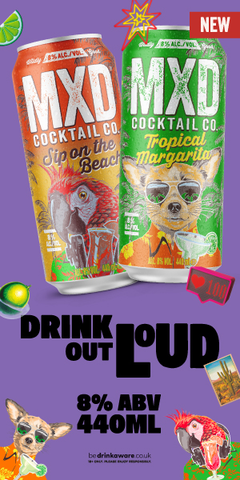
From a category perspective, ready-to-drink (RTD) beverages are booming and beer has shown resilience, offering options across a range of budgets and alcohol strengths.
Here’s to Scotland’s favourite alcohol brands—your resilience, innovation, and adaptability continue to inspire. Wishing you all continued success and growth as we look ahead to 2026. Slàinte!